RV Exhaust Fan: A Beginner’s Guide to Fresh Air on the Road
So you’ve got an RV exhaust fan — or you’re thinking about getting one. Maybe it came installed in your rig, or perhaps you just picked one up and aren’t quite sure how to make the most of it. Either way, welcome. You’re about to discover one of the simplest upgrades that can completely transform life on the road.
Let’s walk through everything a first-time user needs to know.
Why You Actually Need One
Here’s the thing about RVs: they’re small. Really small. And in a small space, everything builds up fast — heat from cooking, steam from showers, humidity from just breathing all night long. Without proper ventilation, that moisture doesn’t just make things uncomfortable; it leads to mold, mildew, and eventually damage to your RV’s interior.
An exhaust fan pulls stale, hot, humid air out and brings fresh air in. It’s not a luxury — it’s how you keep your home-on-wheels healthy and livable.
Intake vs. Exhaust: Which Mode Should You Use?
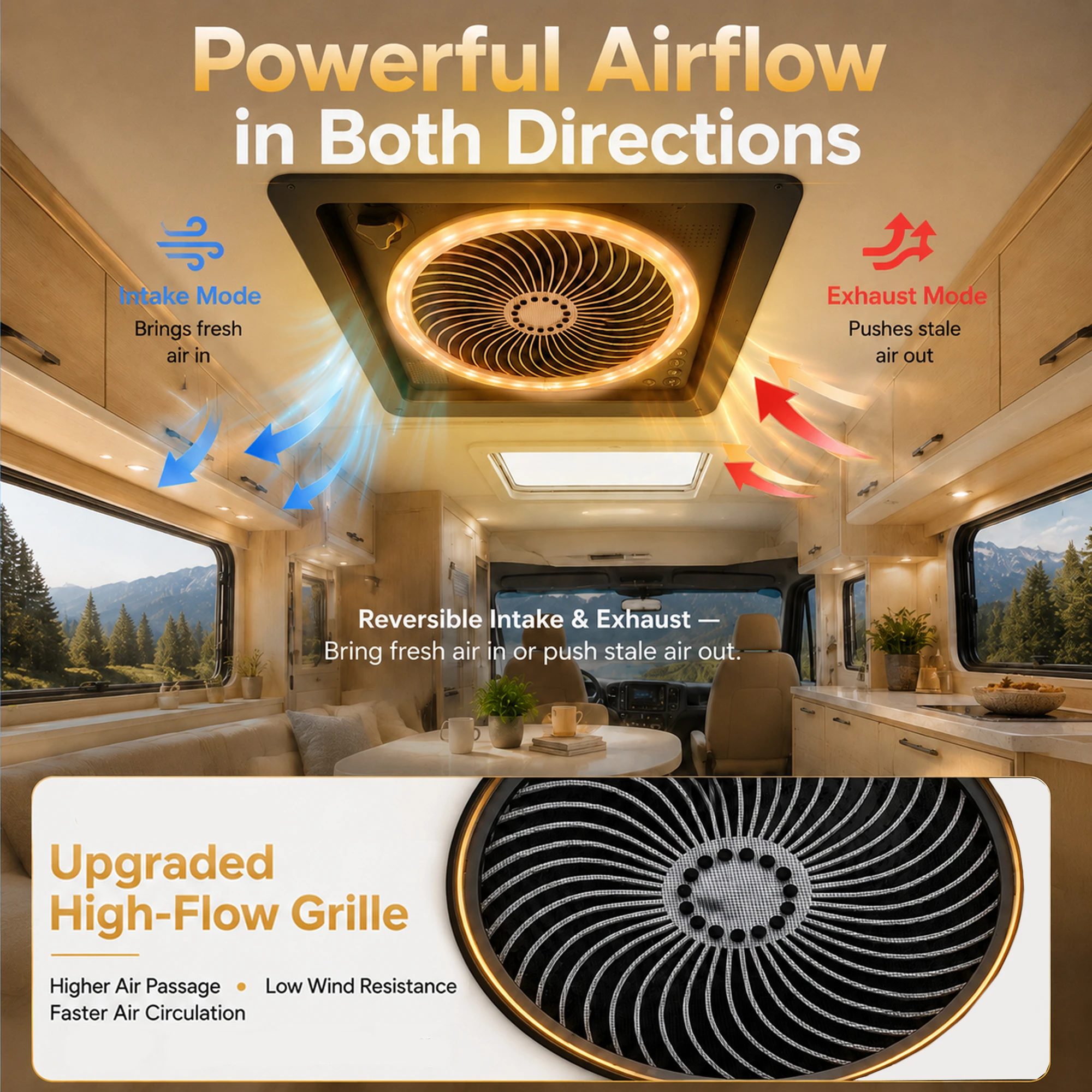
Many modern RV exhaust fans (including ours) offer both intake and exhaust modes. If yours does, here’s a quick rule of thumb:
Use Exhaust mode when you want to pull hot air, cooking smells, or steam out of the RV. Crack open a window on the opposite side of the rig, and the fan will draw fresh air through the entire space. This is the most effective way to create a cross-breeze and cool things down fast.
Use Intake mode when you want to pull fresh outside air in — great for mild evenings when you just want a gentle flow of air without the forceful suction. Some travelers set one fan on intake and another on exhaust to cycle the air through the whole RV in minutes.
The Golden Rules of Using Your Exhaust Fan
1. Always open a window or door. An exhaust fan needs air to replace what it’s pushing out. If everything’s sealed up tight, the fan will struggle and barely move any air at all.
2. Close the lid before you drive. This might sound obvious, but it’s one of the most common mistakes new owners make. The force of wind at highway speeds can rip the lid right off your RV. Add it to your departure checklist.
3. Use it in winter too. Ventilation isn’t just for hot weather. In colder months, running the fan on its lowest setting (especially in intake mode) helps circulate warm air trapped at the ceiling and controls humidity from condensation. Just be mindful of letting cold air in.
How to Keep It Running Like New
Your exhaust fan moves a lot of air, which means it collects a lot of dust, grease (especially if it’s near the kitchen), and debris. A quick clean every season makes a huge difference.
Here’s the simple routine:
Disconnect power first — never clean a fan while it’s live.
Remove the interior screen and wash it in the sink with mild soap. Let it air dry completely before reinstalling.
Clean the fan blades with a soft brush or damp cloth. Avoid harsh chemicals that could damage the plastic or motor components.
Check the exterior lid and seals once a year — look for cracks, wear, or failing sealant.
Most of this takes half an hour or less. A little maintenance goes a long way toward extending your fan’s life.
What to Do If It Stops Working
Fans sometimes act up. Before you panic:
Check the fuse — both on the fan itself and in your RV’s power center. Many fans are designed to blow a fuse rather than burn out the motor if something gets stuck.
Inspect for debris — something lodged between the blades can prevent the fan from spinning.
Test the voltage — if you’re in an older RV with long wiring runs, voltage drop can starve the fan of power. A multimeter will tell you if the fan is getting enough juice.
If none of these solve the problem, it might be time for an accessory replacement — but in most cases, a quick fuse check or cleaning gets things back on track.
A Few Pro Tips
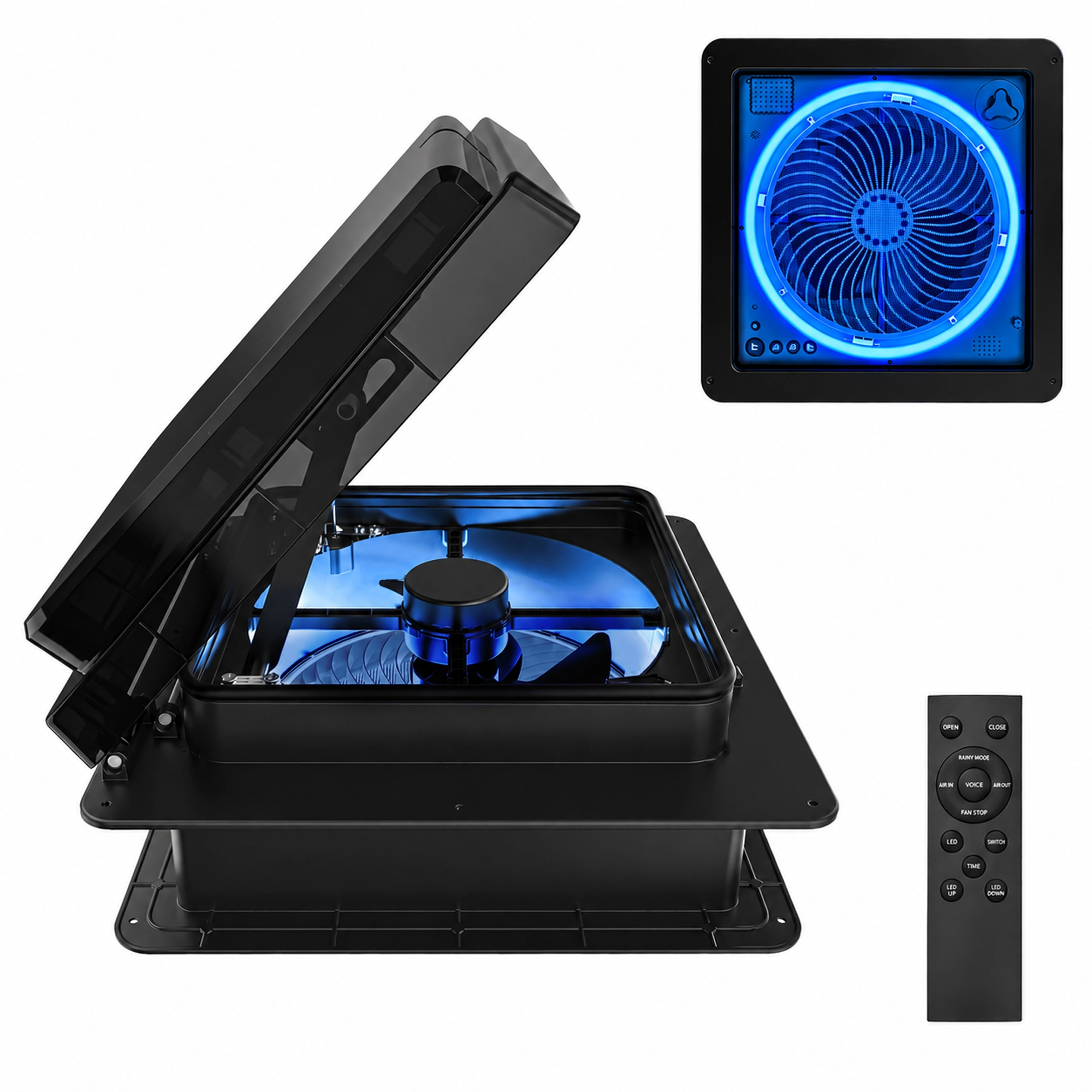
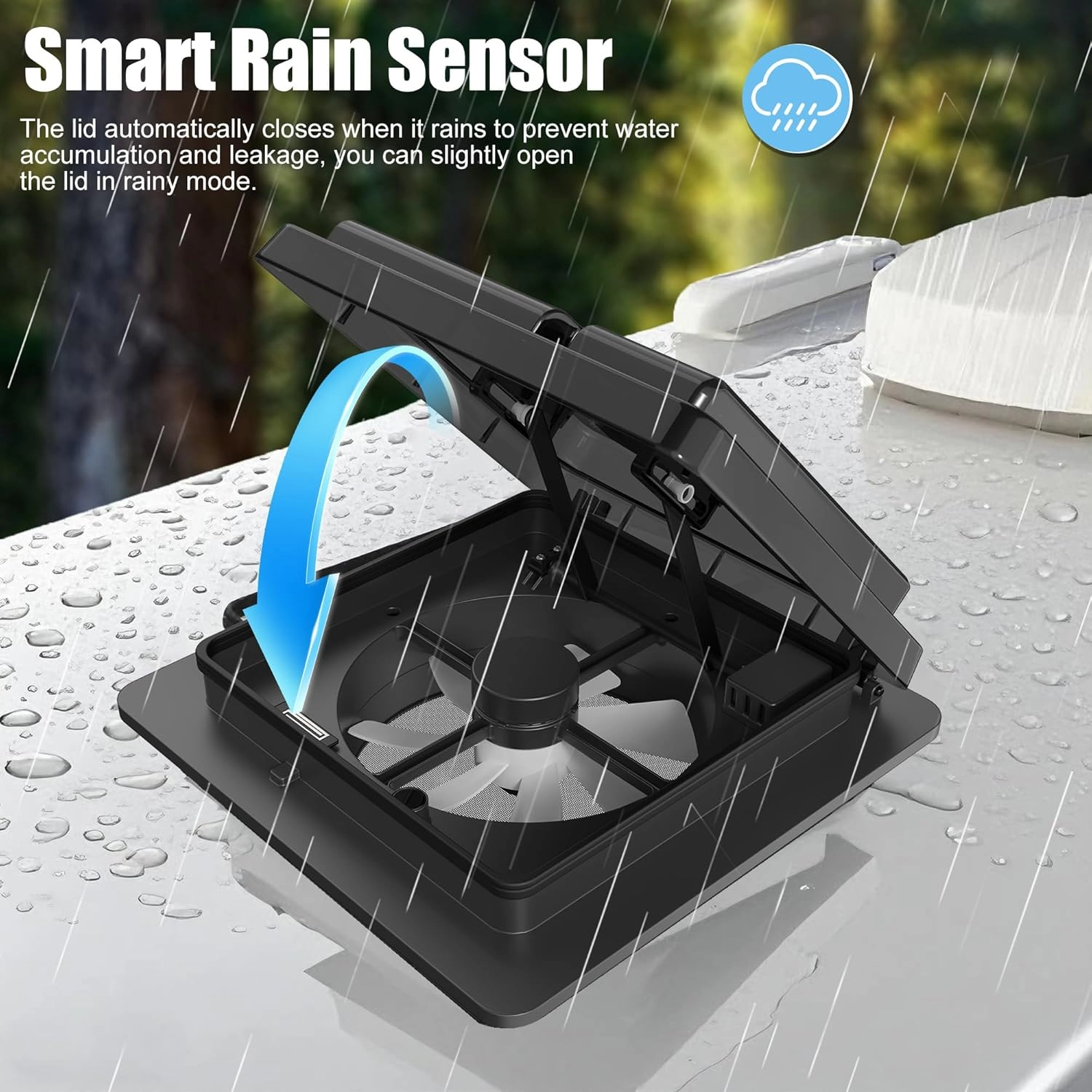
Rain sensors are your friend. If your fan has one, it’ll automatically close the lid when it starts raining. Leave it on and stop worrying about unexpected downpours.
Bug screens work both ways. They keep insects out — but they also catch dust. Clean them regularly.
Consider a vent cover if you camp in rainy areas. It lets you keep the fan open for ventilation even during wet weather.
The Bottom Line
Your RV exhaust fan is one of the hardest-working appliances in your rig. It fights humidity, clears odors, keeps you cool, and protects your RV from moisture damage. Treat it well, learn its modes, and it’ll reward you with fresh, comfortable air on every trip.
Got questions about your specific model? Drop us a line — we’re always happy to help fellow travelers breathe easier on the road.

So you’ve got an RV exhaust fan — or you’re thinking about getting one. Maybe it came installed in your rig, or perhaps you just picked one up and aren’t quite sure how to make the most of it. Either way, welcome. You’re about to discover one of the simplest upgrades that can completely transform life on the road.
Let’s walk through everything a first-time user needs to know.
Why You Actually Need One
Here’s the thing about RVs: they’re small. Really small. And in a small space, everything builds up fast — heat from cooking, steam from showers, humidity from just breathing all night long. Without proper ventilation, that moisture doesn’t just make things uncomfortable; it leads to mold, mildew, and eventually damage to your RV’s interior.
An exhaust fan pulls stale, hot, humid air out and brings fresh air in. It’s not a luxury — it’s how you keep your home-on-wheels healthy and livable.
Intake vs. Exhaust: Which Mode Should You Use?
Many modern RV exhaust fans (including ours) offer both intake and exhaust modes. If yours does, here’s a quick rule of thumb:
Use Exhaust mode when you want to pull hot air, cooking smells, or steam out of the RV. Crack open a window on the opposite side of the rig, and the fan will draw fresh air through the entire space. This is the most effective way to create a cross-breeze and cool things down fast.
Use Intake mode when you want to pull fresh outside air in — great for mild evenings when you just want a gentle flow of air without the forceful suction. Some travelers set one fan on intake and another on exhaust to cycle the air through the whole RV in minutes.
The Golden Rules of Using Your Exhaust Fan
1. Always open a window or door. An exhaust fan needs air to replace what it’s pushing out. If everything’s sealed up tight, the fan will struggle and barely move any air at all.
2. Close the lid before you drive. This might sound obvious, but it’s one of the most common mistakes new owners make. The force of wind at highway speeds can rip the lid right off your RV. Add it to your departure checklist.
3. Use it in winter too. Ventilation isn’t just for hot weather. In colder months, running the fan on its lowest setting (especially in intake mode) helps circulate warm air trapped at the ceiling and controls humidity from condensation. Just be mindful of letting cold air in.
How to Keep It Running Like New
Your exhaust fan moves a lot of air, which means it collects a lot of dust, grease (especially if it’s near the kitchen), and debris. A quick clean every season makes a huge difference.
Here’s the simple routine:
Disconnect power first — never clean a fan while it’s live.
Remove the interior screen and wash it in the sink with mild soap. Let it air dry completely before reinstalling.
Clean the fan blades with a soft brush or damp cloth. Avoid harsh chemicals that could damage the plastic or motor components.
Check the exterior lid and seals once a year — look for cracks, wear, or failing sealant.
Most of this takes half an hour or less. A little maintenance goes a long way toward extending your fan’s life.
What to Do If It Stops Working
Fans sometimes act up. Before you panic:
Check the fuse — both on the fan itself and in your RV’s power center. Many fans are designed to blow a fuse rather than burn out the motor if something gets stuck.
Inspect for debris — something lodged between the blades can prevent the fan from spinning.
Test the voltage — if you’re in an older RV with long wiring runs, voltage drop can starve the fan of power. A multimeter will tell you if the fan is getting enough juice.
If none of these solve the problem, it might be time for an accessory replacement — but in most cases, a quick fuse check or cleaning gets things back on track.
A Few Pro Tips
Rain sensors are your friend. If your fan has one, it’ll automatically close the lid when it starts raining. Leave it on and stop worrying about unexpected downpours.
Bug screens work both ways. They keep insects out — but they also catch dust. Clean them regularly.
Consider a vent cover if you camp in rainy areas. It lets you keep the fan open for ventilation even during wet weather.
The Bottom Line
Your RV exhaust fan is one of the hardest-working appliances in your rig. It fights humidity, clears odors, keeps you cool, and protects your RV from moisture damage. Treat it well, learn its modes, and it’ll reward you with fresh, comfortable air on every trip.
Got questions about your specific model? Drop us a line — we’re always happy to help fellow travelers breathe easier on the road.